🎯 TL;DR: Stress interview questions are designed to test how you think, communicate, and perform under pressure. With structured preparation, mock interviews, and AI-powered feedback from HiddenMentorAI, you can improve your answers, confidence, and overall interview performance.
How to Handle Stress Interview Questions with AI Interview Preparation
Job interviews can be stressful, especially when an interviewer intentionally puts you under pressure.
You may face unexpected questions, challenging follow-ups, long pauses, or questions about your failures and weaknesses. These situations are often designed to test more than your technical knowledge.
They test your confidence, communication, adaptability, problem-solving ability, and emotional control.
The good news? You can prepare for these situations before the real interview.
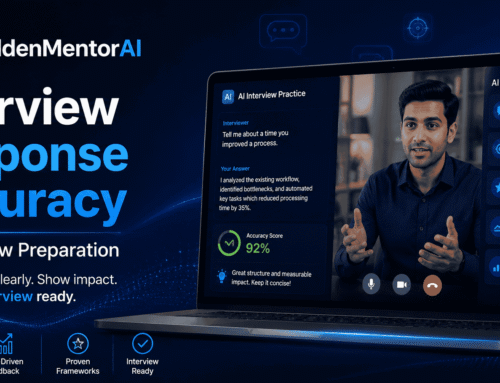
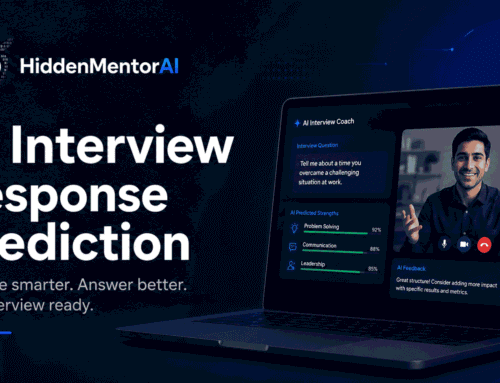
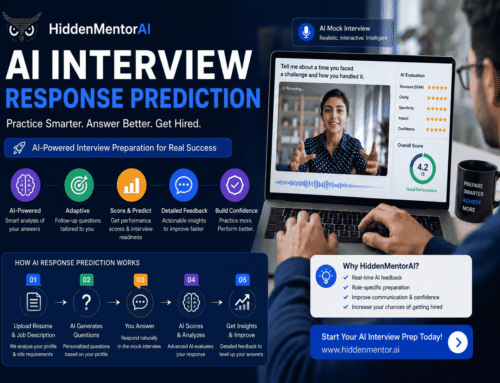
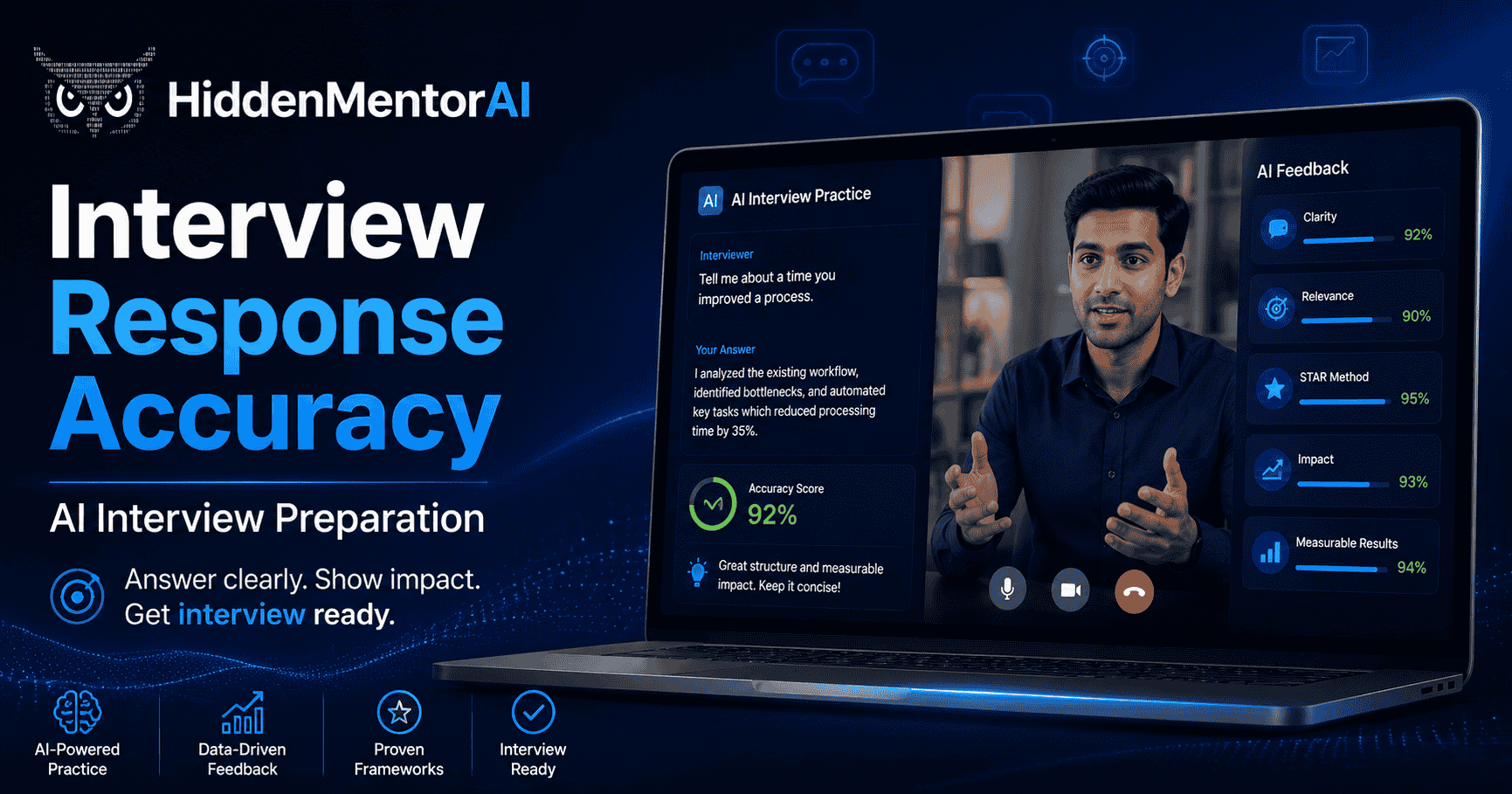
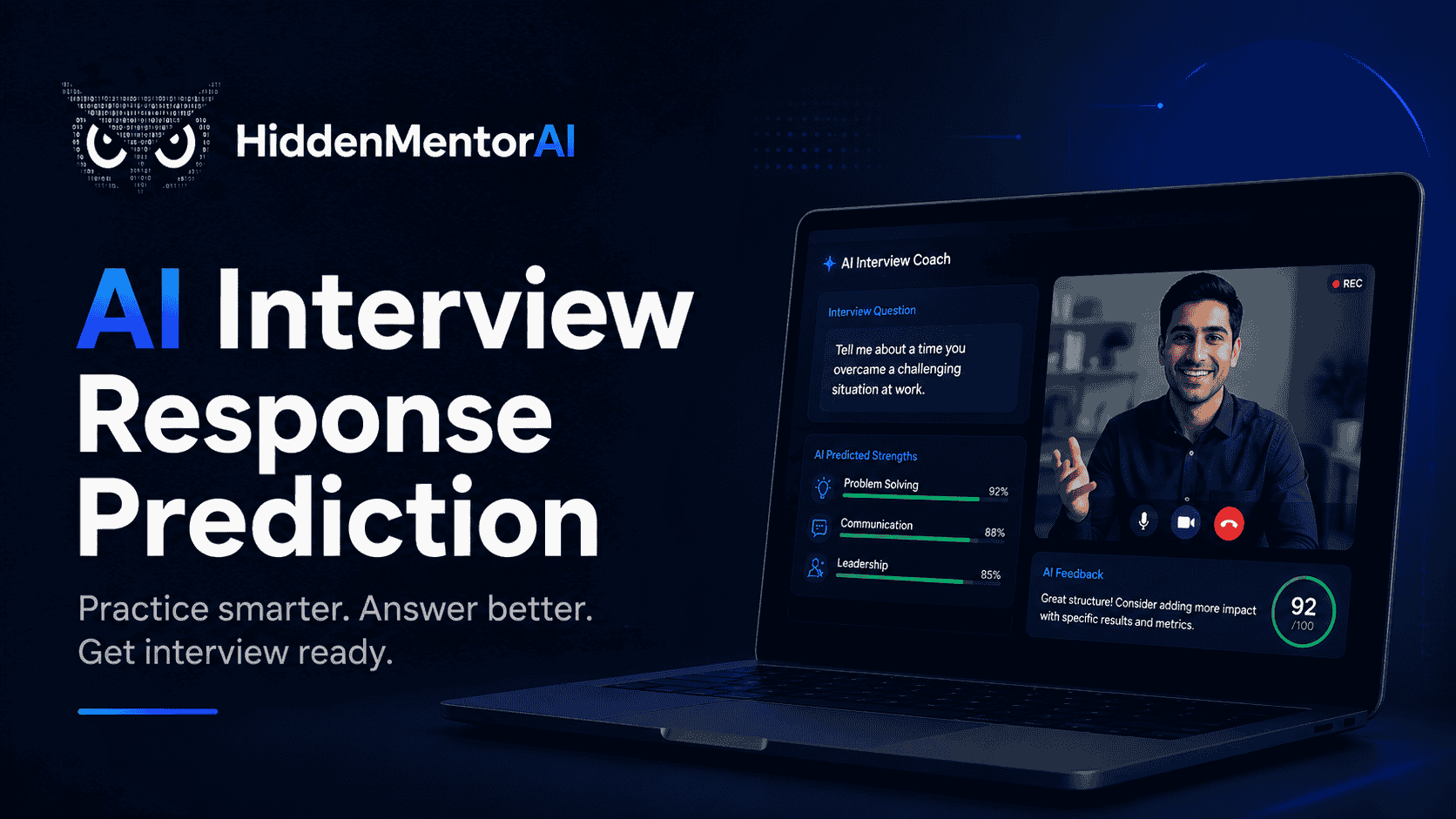
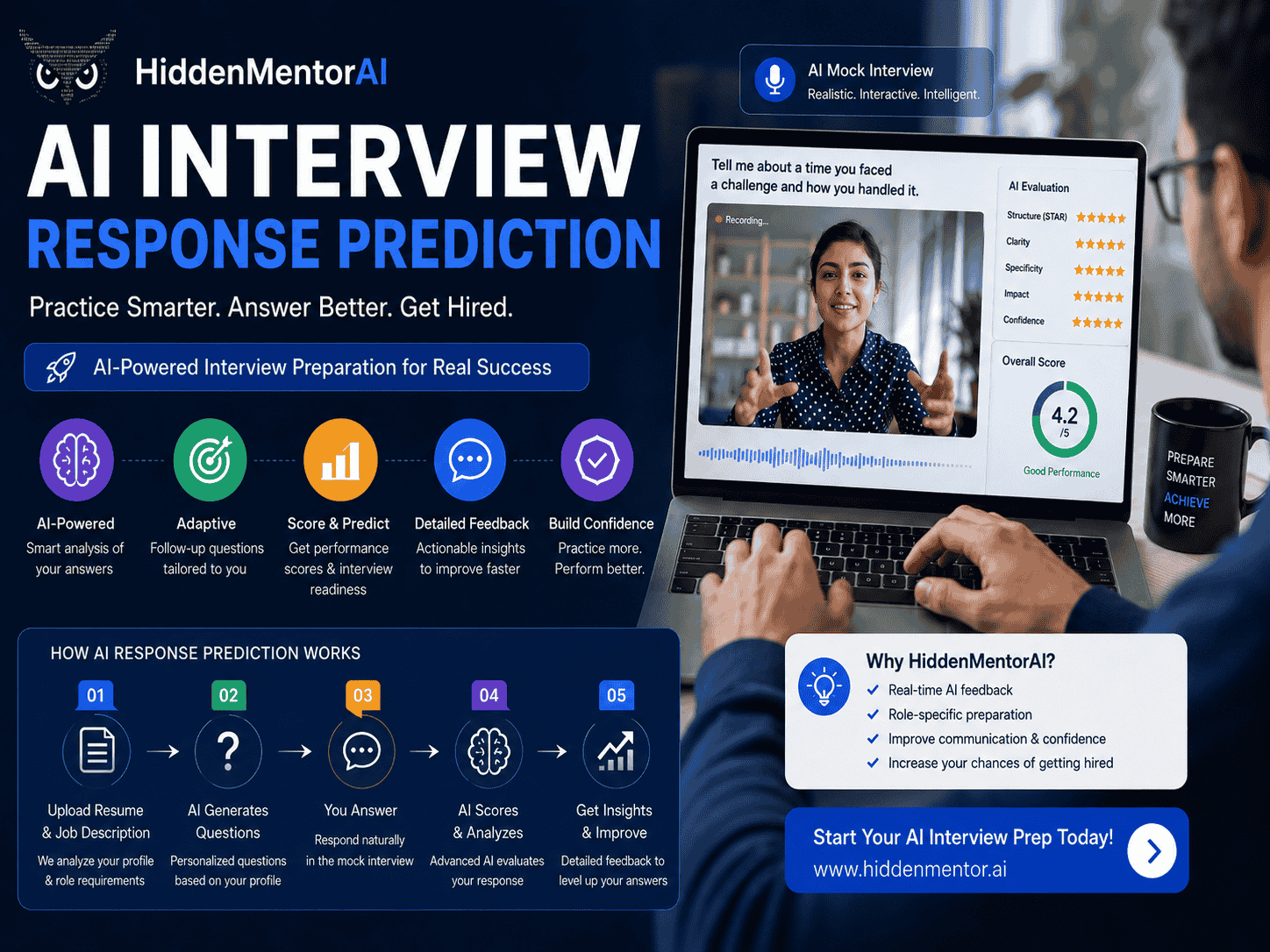
With modern AI interview preparation tools such as HiddenMentorAI, candidates can practice challenging questions, improve their answers, identify weaknesses, and build confidence before meeting the interviewer.
What Are Stress Interview Questions?
Stress interview questions are questions designed to evaluate how candidates respond when they are placed under pressure.
Instead of simply asking about your qualifications, the interviewer may challenge your assumptions, question your experience, or give you an unexpected scenario.
For example:
- “Why should we hire you over someone with more experience?”
- “Tell me about your biggest professional failure.”
- “What would you do if your manager rejected your idea?”
- “How do you handle criticism?”
- “Why did you leave your previous job?”
The objective is not necessarily to make you fail. The interviewer wants to understand how you behave when the conversation becomes difficult.
Why Do Employers Use Stress Interview Questions?
Many jobs require employees to make decisions, solve problems, communicate with customers, and manage deadlines under pressure.
Stress-based questions can help interviewers understand how candidates approach these situations.
What Employers May Evaluate
- 🧠 Critical thinking
- 💬 Communication skills
- 🎯 Problem-solving ability
- 💪 Confidence
- 🔄 Adaptability
- 🤝 Conflict-management skills
- ⏱️ Decision-making under pressure
However, remember that being nervous during an interview is completely normal. Preparation can help you turn nervousness into controlled confidence.
Common Stress Interview Questions
Knowing what types of questions you may encounter makes preparation much easier.
1. Challenging Behavioral Questions
These questions ask you to explain how you handled difficult situations in the past.
- “Tell me about a time you failed.”
- “Describe a conflict with a coworker.”
- “Tell me about a project that went wrong.”
2. Hypothetical Questions
These questions test your ability to think through unfamiliar situations.
- “What would you do if your project suddenly lost its budget?”
- “How would you handle two team members who strongly disagree?”
- “What would you do if you had an impossible deadline?”
3. Pressure Questions
These questions are designed to make you think carefully before responding.
- “Why should we hire you?”
- “What makes you better than other candidates?”
- “Why were you unemployed?”
- “What is your biggest weakness?”
How to Prepare for Stress Interview Questions
The best way to manage interview stress is preparation.
1. Research the Company
Learn about the company’s products, services, culture, customers, recent developments, and the role you are applying for.
The more context you have, the easier it becomes to give relevant answers.
2. Prepare Your Personal Stories
Instead of memorizing hundreds of answers, prepare several real stories from your experience.
Think about:
- A difficult project you completed
- A professional failure
- A conflict you resolved
- A leadership experience
- A time you solved a difficult problem
- A situation where you learned from a mistake
3. Use the STAR Method
The STAR method is one of the easiest ways to structure behavioral interview answers.
- S — Situation: Explain the situation.
- T — Task: Describe your responsibility.
- A — Action: Explain what you did.
- R — Result: Share the outcome.
This structure prevents your answer from becoming too long or confusing.
🤖 How AI Interview Preparation Can Help
Traditional interview preparation often means reading common questions and practicing answers alone.
AI interview preparation takes this process further by creating a more interactive practice environment.
With HiddenMentorAI, candidates can use AI-powered preparation to practice interview questions and improve their communication before the real interview.
AI Can Help You:
- 🎤 Practice realistic interview questions
- 🧠 Organize your answers
- 📊 Identify areas for improvement
- 💬 Improve communication and clarity
- 🎯 Practice role-specific questions
- 🔄 Try different answer approaches
- 💪 Build interview confidence
The goal is not to let AI speak for you. The goal is to use AI as a practice partner and preparation coach.
Effective Techniques for Answering Stress Interview Questions
1. Pause Before You Answer
You do not have to answer immediately.
A short pause gives you time to understand the question and organize your thoughts.
Remember: A thoughtful pause often looks more confident than a rushed answer.
2. Keep Your Answer Structured
When you are nervous, it is easy to start explaining too many details.
Use a simple structure:
- Answer the question directly.
- Give a relevant example.
- Explain your action.
- Share the result.
- End with what you learned.
3. Stay Positive
If the interviewer asks about a failure, do not blame other people.
Instead, explain what happened, what you learned, and how you improved afterward.
Example: “The project did not meet the original deadline. I learned that I needed to communicate risks earlier, so I changed my planning process for future projects.”
4. Don’t Pretend to Know Everything
If you don’t know something, be honest.
You can explain how you would find the answer or approach the problem.
Interviewers often value honesty, learning ability, and problem-solving more than pretending to know everything.
🧘 How to Stay Calm During a Stress Interview
Even with excellent preparation, interview pressure can affect your performance.
Use these techniques:
- Take slow, controlled breaths before answering.
- Sit upright and maintain natural eye contact.
- Listen carefully to the entire question.
- Pause before difficult answers.
- Speak clearly instead of rushing.
- Focus on the question instead of worrying about the result.
🚀 Build a Better Interview Practice Routine
A strong interview preparation routine can be simple.
- Research: Understand the company and role.
- Prepare: Build your personal interview stories.
- Practice: Answer realistic interview questions.
- Review: Identify weak or unclear answers.
- Improve: Rewrite and practice those answers.
- Repeat: Continue practicing until your responses feel natural.
AI can make this cycle faster by providing an interactive environment where you can repeatedly practice and improve.
🎯 Prepare Smarter with HiddenMentorAI
If you want to move beyond reading interview tips and actually practice your interview skills, HiddenMentorAI can become part of your preparation routine.
Instead of memorizing generic answers, use AI to help you practice, refine your communication, and become more comfortable with difficult interview situations.
🚀 Ready to Master Your Next Interview?
Practice smarter, improve your answers, and build confidence with AI-powered interview preparation.
Frequently Asked Questions
What are stress interview questions?
Stress interview questions are designed to evaluate how candidates respond to pressure, difficult situations, unexpected challenges, and uncomfortable conversations.
How can I prepare for stress interview questions?
Research the company, prepare real examples from your experience, practice behavioral questions, use the STAR method, and complete realistic mock interviews.
Can AI help with stress interview preparation?
Yes. AI interview preparation tools can provide realistic questions, practice scenarios, answer feedback, and structured preparation to help candidates become more confident.
What is the STAR method?
The STAR method stands for Situation, Task, Action, and Result. It helps candidates provide clear and structured answers to behavioral interview questions.
How can I stay calm during a difficult interview?
Take a short pause before answering, breathe slowly, listen carefully, maintain good posture, and focus on giving a clear answer instead of trying to answer as quickly as possible.
Is AI interview preparation better than traditional preparation?
AI can complement traditional preparation by providing personalized practice and feedback. However, candidates should still use their real experiences and develop their own communication skills.
Conclusion: Turn Interview Pressure Into Confidence
Stress interview questions can feel intimidating, but they do not have to control your performance.
With preparation, structured answers, realistic practice, and the right mindset, you can handle difficult questions with greater confidence.
AI interview preparation adds another layer to this process by helping you practice more consistently and identify areas where you can improve.
The goal is not to sound like AI.
The goal is to become a more confident version of yourself.
Use AI as your preparation partner, bring your authentic experiences to the conversation, and walk into your next interview ready to perform.
💡 Final Takeaway:
- Prepare real stories from your experience.
- Practice difficult questions before the interview.
- Use STAR to structure behavioral answers.
- Stay calm and pause before answering.
- Use AI interview preparation to practice consistently.
- Keep your answers authentic and personal.